

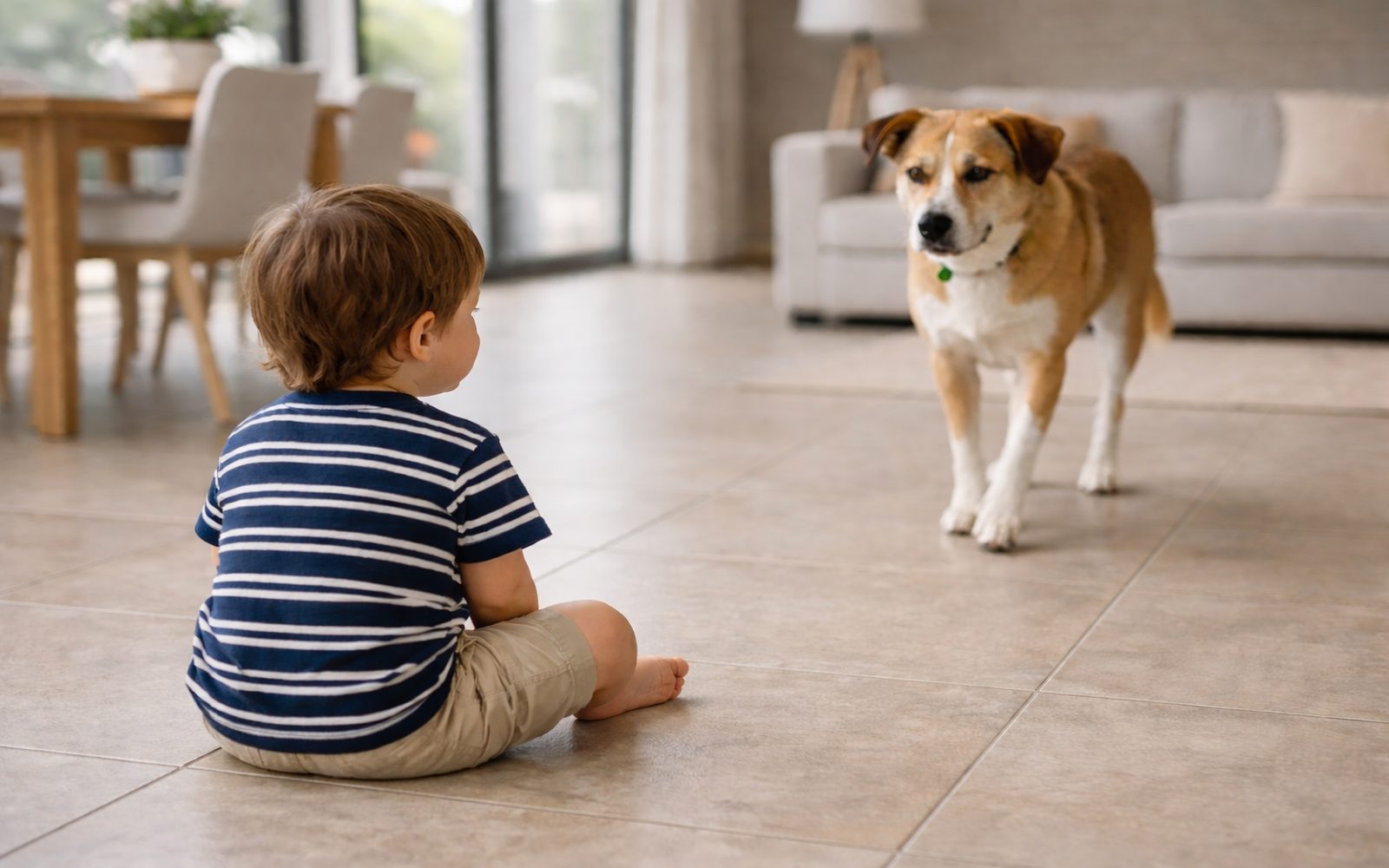
Tile flooring continues to be a popular choice for family homes because it is durable, easy to clean, and visually versatile. However, when kids and pets are part of daily life, slip resistance becomes just as important as color or size. Wet footprints, spilled water bowls, bath time splashes, and rainy-day traffic can all increase the risk of slips if the wrong tile surface is selected. That is where tile flooring slip ratings come into play.
Understanding how slip ratings work helps families make safer decisions without sacrificing style. With the right knowledge, tile can remain a practical and attractive flooring option throughout busy households.
Why slip resistance matters in active households
Homes with children and pets experience more movement, sudden direction changes, and unexpected messes. Smooth flooring surfaces may look sleek, but they can become hazardous when moisture is present. Slips often occur in bathrooms, kitchens, laundry rooms, and entryways—spaces that see frequent water exposure.
Slip-resistant tile adds traction underfoot, reducing the chances of falls. For homes with toddlers learning to walk or pets that run through hallways at full speed, this extra grip can make a meaningful difference in everyday safety.
Understanding tile slip ratings in simple terms
Slip ratings are measurements used to determine how much friction a tile surface provides. The most common system used today is the Coefficient of Friction (COF), which evaluates how resistant a surface is to sliding when weight is applied.
Tiles are tested under both dry and wet conditions. A higher COF value means more grip, while a lower value indicates a smoother, potentially slipperier surface. For residential interiors, wet COF ratings are especially important, as many household slips happen when floors are damp.
What DCOF ratings mean for everyday spaces
Dynamic Coefficient of Friction (DCOF) is the current standard used in the tile industry. It measures how a person moves across a surface rather than standing still. For interior floors exposed to water, a minimum DCOF of 0.42 is generally recommended.
This guideline helps narrow down tile options for areas like kitchens, bathrooms, and mudrooms. Tiles that meet or exceed this rating provide better traction without feeling rough underfoot. Many modern tiles achieve this balance through subtle surface textures rather than aggressive finishes.
Tile finishes that improve traction naturally
Not all tile finishes behave the same way when wet. Some surfaces naturally offer better slip resistance:
Matte finishes tend to provide more grip than polished tiles
Textured or structured surfaces help reduce slipping by increasing friction
Smaller tile formats with grout lines add traction through surface variation
Polished tiles, while visually striking, can become slippery in moisture-prone areas. In family-focused homes, reserving glossy finishes for walls rather than floors is often the safer approach.
Choosing safer tile for kitchens, bathrooms, and entryways
Each room presents unique safety considerations. Kitchens require tiles that handle spills without becoming slick. Bathrooms benefit from tiles designed for frequent water exposure. Entryways need surfaces that remain stable during wet weather and muddy paw traffic.
Exploring slip-rated tile flooring options for residential spaces helps narrow selections that balance safety with design. For homeowners wanting deeper guidance, educational resources like tile flooring safety and performance information provide valuable insight into choosing the right surface for each area of the home.
Grout lines and layout choices that enhance stability
Slip resistance is influenced not only by tile type but also by installation choices. Wider grout lines increase traction by breaking up smooth surfaces. Tile layouts such as brick patterns or herringbone designs introduce visual movement and functional grip.
Selecting a grout color that complements the tile while maintaining visibility also helps prevent unnoticed slick spots. Proper installation plays a critical role in ensuring that slip-rated tiles perform as intended.
Maintenance habits that keep floors safer over time
Even slip-resistant tiles can become unsafe if residue builds up. Soap film, grease, and cleaning product buildup reduce traction. Regular cleaning with manufacturer-approved products preserves the tile’s surface characteristics.
Using entry mats, wiping spills promptly, and trimming pet nails all contribute to safer flooring. These small habits extend both the lifespan and performance of tile floors in busy households.
Balancing safety and style without compromise
Modern tile design no longer forces a trade-off between aesthetics and safety. Advances in manufacturing allow tiles to mimic natural stone, wood, and concrete while maintaining slip resistance. Families can choose surfaces that complement their interior style while supporting safe daily living.
Understanding slip ratings empowers homeowners to make confident decisions that suit both lifestyle and design goals.
Get expert help selecting safer tile flooring
Creating a safer home with tile flooring starts with informed choices. Professional guidance helps match slip ratings, room usage, and design preferences into one cohesive plan. For personalized assistance and expert recommendations, reach out through our contact page to schedule a consultation and explore tile solutions designed for real family living.


