

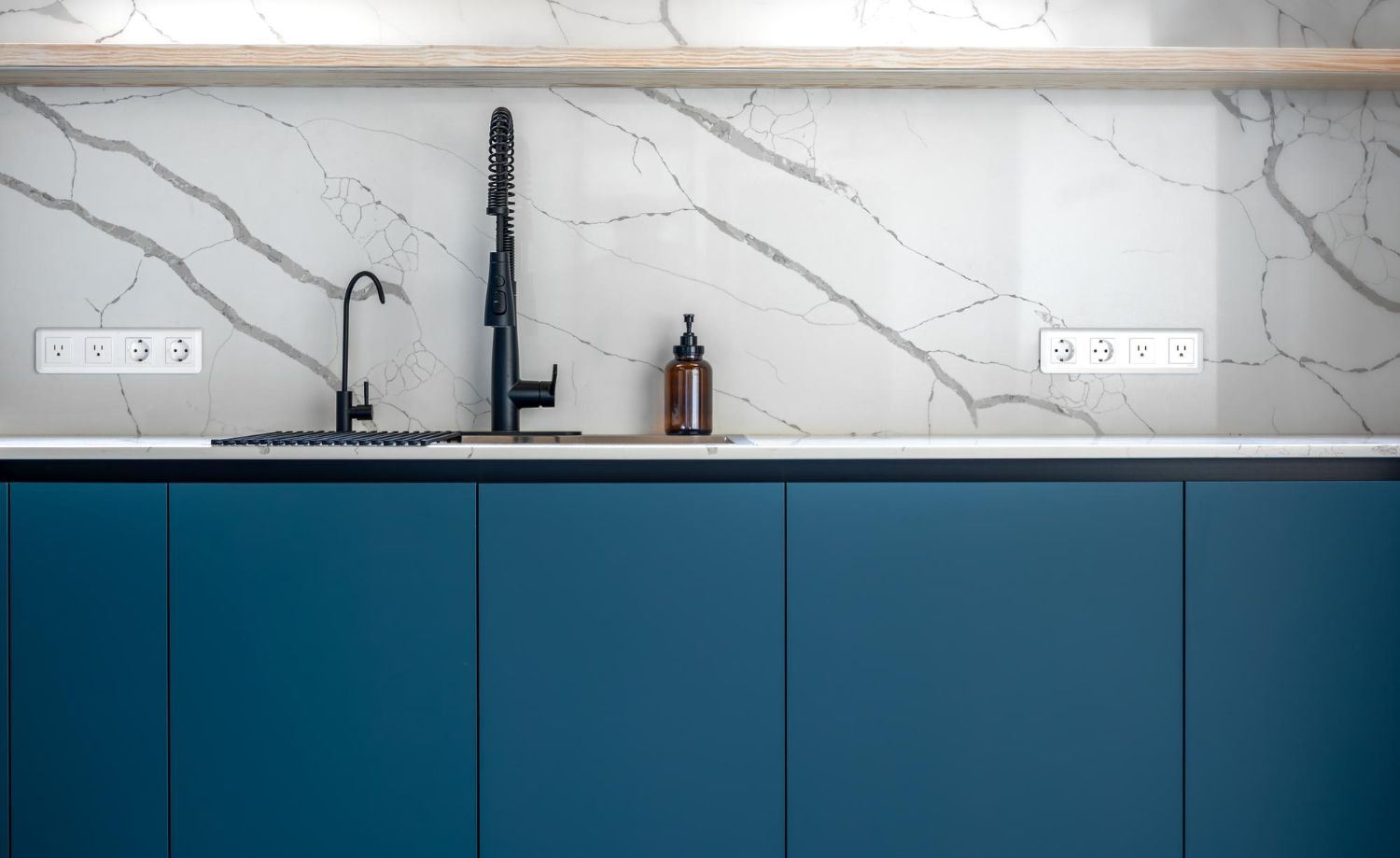
Ultra-thin modern countertops have become a defining feature in contemporary kitchens and bathrooms. With their sleek profiles, sharp edges, and minimalist appeal, these surfaces often appear in high-end design magazines and modern home tours. Materials like porcelain slabs, quartz, and even natural stone are now manufactured in thinner formats than ever before, allowing for a refined, architectural look that feels light and intentional.
However, visual appeal alone should never drive a countertop decision. Ultra-thin countertops behave differently than traditional slab thicknesses, and understanding those differences is essential before moving forward. From structural support to edge detailing and long-term performance, several practical considerations deserve attention before committing to this modern style.
The appeal behind slimmer profiles
The popularity of ultra-thin countertops is rooted in modern design philosophy. Clean lines, reduced visual weight, and seamless transitions between surfaces create a sense of openness. In smaller kitchens or contemporary homes, thinner profiles can make cabinetry appear more refined and intentional rather than bulky.
These countertops also pair exceptionally well with handleless cabinets, floating islands, and waterfall edges. When executed properly, the result is a space that feels cohesive, modern, and thoughtfully designed rather than overbuilt.
Material selection matters more than thickness alone
Not all countertop materials perform equally when produced in ultra-thin formats. Porcelain slabs are one of the most common choices due to their strength, stain resistance, and ability to maintain stability at reduced thicknesses. Quartz can also be fabricated thinner, but typically requires careful reinforcement depending on layout and overhangs.
Natural stone such as marble or granite may be available in thinner profiles, but these materials often require additional backing or lamination techniques to maintain structural integrity. Understanding how each material behaves at reduced thickness is critical for avoiding cracking, deflection, or long-term issues.
Support systems play a larger role than expected
Ultra-thin countertops rely heavily on what sits beneath them. Proper substrate preparation, cabinet quality, and reinforcement systems become non-negotiable. Unlike thicker slabs that offer inherent rigidity, thin countertops depend on evenly distributed support across the entire surface.
Kitchen islands, breakfast bars, and cantilevered sections require special attention. Hidden steel supports or integrated framing are often necessary to achieve a clean look without compromising strength. Skipping these details may save time upfront but often leads to costly repairs later.
Edge profiles affect both durability and appearance
Edge detailing is one of the most overlooked aspects of ultra-thin countertops. While the goal is often a crisp, modern edge, not all edge styles are suitable for thinner materials. Sharp square edges look striking but can be more vulnerable to chipping depending on material choice.
Some designs use mitered edges to create the illusion of thickness while maintaining a slim surface profile. This approach balances visual impact with durability, especially for kitchen applications where daily wear is unavoidable.
Installation precision becomes critical
Ultra-thin countertops leave little room for error during installation. Subtle imperfections in cabinetry alignment or floor leveling become more noticeable when slab thickness is reduced. Seams, joints, and transitions must be executed with precision to preserve the clean aesthetic these countertops are known for.
Experienced fabrication and installation teams make a significant difference here. Proper planning, templating, and handling ensure the final result looks intentional rather than fragile or unfinished.
Daily use and lifestyle considerations
While ultra-thin countertops are durable when properly designed, lifestyle habits still matter. Heavy impacts, dropped cookware, and excessive point loads can affect thinner surfaces more than traditional slabs. This does not mean they are impractical, but expectations should align with real-world use.
For high-traffic family kitchens, selecting a highly durable material and incorporating reinforced design elements can make ultra-thin countertops a practical option rather than a purely aesthetic one.
Long-term maintenance and repair expectations
Maintenance requirements vary by material, not thickness alone. Porcelain surfaces are low maintenance and highly resistant to staining and heat. Quartz offers consistent color and durability but may have heat limitations depending on formulation.
Repair options should also be considered. While thicker stone slabs may allow for more extensive refinishing, ultra-thin surfaces often require replacement if severe damage occurs. Understanding these trade-offs ahead of time prevents surprises down the road.
Balancing design goals with performance
Ultra-thin countertops excel when design intent and technical execution align. They work best in spaces where clean lines, minimal detailing, and modern architecture guide the overall vision. When paired with proper materials, support systems, and skilled installation, these countertops deliver both beauty and functionality.
The key lies in thoughtful planning rather than following trends alone. A well-informed decision ensures the finished space looks stunning and performs reliably for years to come.
Is an ultra-thin countertop the right move for this home?
Every home presents unique layout, usage, and design challenges. Ultra-thin countertops are not a one-size-fits-all solution, but they can be an exceptional choice when selected with care. Understanding materials, support requirements, and installation details allows modern design to shine without sacrificing practicality.
Ready to explore ultra-thin modern countertop options with confidence? Oklahoma Discount Flooring is a family-owned flooring company offering granite and quartz countertops alongside expert guidance and professional installation. Serving Norman, Moore, Oklahoma City, Edmond, and Midwest City, our flooring experts help bring modern design ideas to life with integrity, knowledge, and care. Contact us today!


